- 7685–A Corporate Blvd. Plain City, OH 43064, USA
- 166 Benjamin Hudon Montreal, QC, Canada H4N 1H8
- +1 614 873 8995
- info@bpcvalves.com

Lets Talk
Home Office
7685–A Corporate Blvd.
Plain City, OH 43064 USA
Canada Office
166 Benjamin Hudon
Montreal, QC, Canada H4N 1H8
Pinch Valves For A Variety
Of Applications
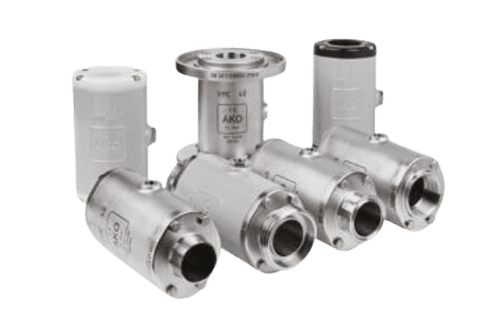
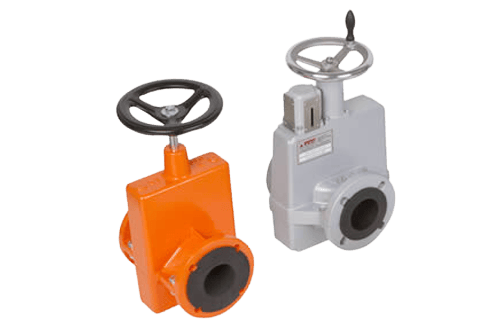


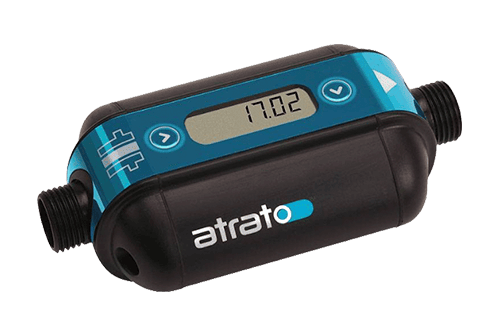
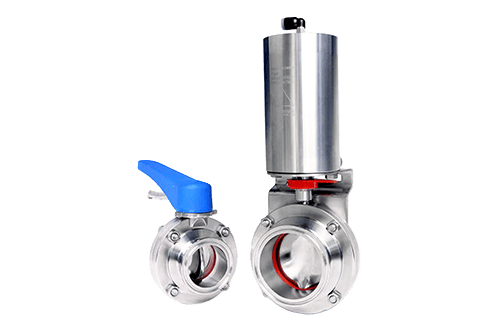
BPC supports the full process: regulate flow, verify performance, and meet hygienic standards — all from one supplier.
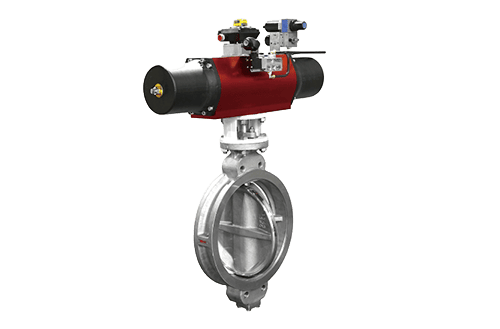
How AKO Pinch Valves Work
WHY USE AKO VALVES?
AKO offers a full array of valves to control the flow of many applications in process systems; such as slurries, suspensions, powders, gases, granules, emulsions, liquids, or for anything in between or even beyond these categories. Many applications may have characteristics like abrasiveness, clog easily, extreme temperature variation, or stress-inducing process requirements which AKO has designed valves specifically for.
Some attributes of valves your AKO sales engineer can offer:
Some attributes of valves your AKO sales engineer can offer:
-
Full Bore
-
100% Leak Tight
-
Lightweight Construction
-
Elliptical shape body, less air required
-
Various connections to suit most applications
-
No Mechanical Parts
-
Reinforced Sleeves for Abrasive Media
-
Quick Closing
-
EX Conformed Valves Available
-
Easy Maintenance & Re-Sleeving
WHO IS AKO
PINCH VALVES
AKO Armaturen & Separationstechnik GmbH is the world leader in Pinch Valves with the largest selection of air operated pinch valves available. Applications range from dirty abrasive industrial slurries and powders to hygienic food and pharmaceutical applications.
Basecamp Process Components is the #1 authority on AKO pinch valves and components, being that we are the exclusive distributor of AKO pinch valves in the United States and Canada. The internationally renowned quality of AKO’s products is perfectly paired with Basecamp’s commitment to customer satisfaction and legendary service. Our product and parts fulfillment times are often same-day, and being that our offices are located in the Midwest allows us to ship parts anywhere in the US and Canada with the lowest mean transit times.
Basecamp Process Components values investing in our employees. Sales engineers are trained to understand process flows and nomenclature. We are fortunate to have on our team highly knowledgeable mechanical engineers whom our customers can rely on for guidance for their pinch valve needs.
Basecamp Process Components is the #1 authority on AKO pinch valves and components, being that we are the exclusive distributor of AKO pinch valves in the United States and Canada. The internationally renowned quality of AKO’s products is perfectly paired with Basecamp’s commitment to customer satisfaction and legendary service. Our product and parts fulfillment times are often same-day, and being that our offices are located in the Midwest allows us to ship parts anywhere in the US and Canada with the lowest mean transit times.
Basecamp Process Components values investing in our employees. Sales engineers are trained to understand process flows and nomenclature. We are fortunate to have on our team highly knowledgeable mechanical engineers whom our customers can rely on for guidance for their pinch valve needs.
Pinch Valves:
Engineered Flow Control for Abrasive Slurries and Demanding Industrial Media
Pinch valves are industrial flow control devices designed for reliable shut-off and regulation of abrasive slurries, bulk solids, corrosive fluids, and fibrous media. By compressing a flexible elastomer sleeve to control flow, pinch valves eliminate internal obstructions and minimize wear in high-solids applications. Properly engineered configurations — including air-operated pinch valves and reinforced designs — provide long service life in mining, wastewater, chemical processing, and pneumatic conveying systems.
What Is a Pinch Valve?
A pinch valve is a two-way shut-off or control valve that regulates flow by externally compressing a flexible elastomer sleeve inside the valve body.
In the open position, the sleeve maintains a full, unrestricted bore.
In the closed position, mechanical or pneumatic force compresses the sleeve walls together to stop flow.
Pinch valves are specifically engineered for:
- Abrasive slurry control
- Powder and granulate handling
- Corrosive chemical transfer
- Fibrous and viscous media
Unlike gate, globe, or ball valves, pinch valves do not rely on sliding metal seats or rotating closures inside the flow path. This mechanical simplicity significantly improves reliability in solids-laden systems. For a deeper breakdown, see how a pinch valve works.
How Does a Pinch Valve Work?
The operating principle is based on controlled elastomer deformation.
Core Components
Valve Body (Housing)
Provides structural strength, pressure containment, and pipeline connection.
Elastomer Sleeve (Valve Liner)
Forms the flow channel and compresses to achieve shut-off. Sleeve materials vary based on abrasion resistance, chemical compatibility, and temperature requirements. Learn more about pinch valve sleeves and material options.
Actuation System
Applies compression force to close the valve. Options include:
- Pneumatic actuation (air-operated)
- Manual mechanical systems
- Electric actuation
- Hydraulic actuation
Operating Cycle
- Open Position – The sleeve maintains its natural cylindrical shape, allowing unrestricted media flow.
- Closing Phase – External compression force collapses the sleeve.
- Closed Position – Sleeve walls meet internally, stopping flow.
- Reopening – Removal of compression force allows the sleeve to return to its original form.
In air-operated and reinforced designs (such as OV and RV configurations), the housing remains isolated from the process media under normal operating conditions.
4. Abrasion Resistance
Sleeve materials are selected based on application requirements:
- Natural rubber for abrasive slurries
- EPDM for chemical resistance
- NBR for oil-containing media
- FDA-compliant materials for hygienic applications
Why Pinch Valves Excel in Abrasive Slurry Control
1. Full-Bore, Straight-Through Flow
The unobstructed flow path:
- Reduces turbulence
- Minimizes pressure drop
- Prevents material accumulation
- Supports high-solids content
This is critical in mineral processing, tailings transport, and sludge handling. These use cases are further explored in abrasive slurry valve solutions.
2. Superior Abrasion Resistance
In slurry systems containing sand, lime, cement, fly ash, or ore concentrate, conventional metal valves experience rapid erosion. Pinch valves concentrate wear on the elastomer sleeve, a replaceable component engineered for abrasion resistance.
3. Clog-Resistant Performance
There are no seats, cavities, or dead zones where solids can accumulate. Fibrous and granular media pass without mechanical interference.
4. Corrosion Management
Elastomer sleeves can be selected for compatibility with aggressive chemicals. Proper material selection protects structural components and extends valve life.
5. Simplified Maintenance
Maintenance typically involves sleeve replacement rather than a full valve rebuild. This reduces downtime and lowers lifecycle cost in continuous-duty systems.
Industrial Applications
Pinch valves are widely deployed in:
- Mining and mineral processing
- Cement and fly ash handling
- Wastewater treatment plants
- Chemical processing
- Bulk solids pneumatic conveying
- Food and hygienic applications (with certified materials)
They are particularly effective where media contains high solids content or abrasive particles that damage traditional valve trim. See more examples of how pinch valves are used across industries.
Engineering Considerations for Proper Selection
Correct specification ensures long-term reliability.
Sleeve Material Selection
Choose elastomer based on:
- Abrasion severity
- Chemical compatibility
- Temperature range
- Regulatory compliance (FDA, EC, etc.)
Common sleeve materials include natural rubber, EPDM, NBR, and specialty compounds.
Pressure Rating
The valve must match:
- Maximum operating pressure
- Control pressure (for pneumatic designs)
- Vacuum conditions, if applicable
Reinforced sleeve designs are required for higher pressures.
Temperature Limits
Elastomer compounds define allowable temperature range. Exceeding temperature limits reduces elasticity and shortens service life.
Actuation Requirements
Pneumatic actuation is preferred for automated process systems and is commonly implemented using air operated pinch valves.
Manual valves are suitable for low-frequency operation.
Electric actuation integrates with plant control systems.
Pinch Valves vs. Conventional Valve Types
| Performance Factor | Pinch Valve | Gate/Ball/Globe Valve |
|---|---|---|
| Slurry Handling | Excellent | Moderate |
| Abrasion Resistance | High | Low to Moderate |
| Clogging Risk | Minimal | Elevated |
| Maintenance Complexity | Low | Moderate to High |
| Pressure Drop | Low | Moderate |
For abrasive slurry control, pinch valves consistently provide longer operational life and lower maintenance frequency. For comparisons, see diaphragm valve vs pinch valve.
Frequently Asked Questions
Conclusion
Pinch valves provide a mechanically simple, durable, and highly effective solution for controlling abrasive slurries, bulk solids, and corrosive media. By utilizing controlled sleeve compression rather than internal metal closures, these valves deliver reliable shut-off, reduced maintenance complexity, and extended service life in demanding industrial environments.
For abrasive slurry systems where reliability and lifecycle performance are critical, pinch valves remain the engineered solution.